


Imagine a world where wealth is not just a distant dream, but a tangible reality within grasp. This empowering vision begins with a key ingredient: financial education. Furthermore, Whitney Elkins-Hutten‘s inspiring journey, as shared in the recent podcast episode, serves as a beacon, demonstrating how acquiring financial knowledge is the first step in unlocking the potential for wealth creation.
Through her story, we see the transformative effect of financial literacy, offering not just hope, but a clear roadmap to turning financial aspirations into achievable outcomes.

-
The Foundation of Financial Literacy
Building Blocks of Wealth starts with a fundamental understanding that financial education is pivotal in the journey to wealth creation. By grasping the essentials of budgeting, saving, and investing, individuals lay a strong foundation for financial achievement. Additionally, commencing with a robust grasp of personal finance is essential for successfully navigating wealth building. This knowledge not only equips individuals with the tools for financial growth but also instills confidence to make strategic decisions in an often complex financial landscape.
Transforming Knowledge into Action is a crucial phase where the real magic of financial education unfolds. It’s not merely about acquiring knowledge; it’s about actively applying that knowledge to real-life scenarios. By translating financial literacy into actionable steps, one can accumulate significant wealth. This empowering process provides individuals with the autonomy to shape their financial future. Moreover, it underscores the importance of not just learning financial concepts but also implementing them effectively to achieve financial independence and security.
-
Strategic Investment as a Path to Wealth
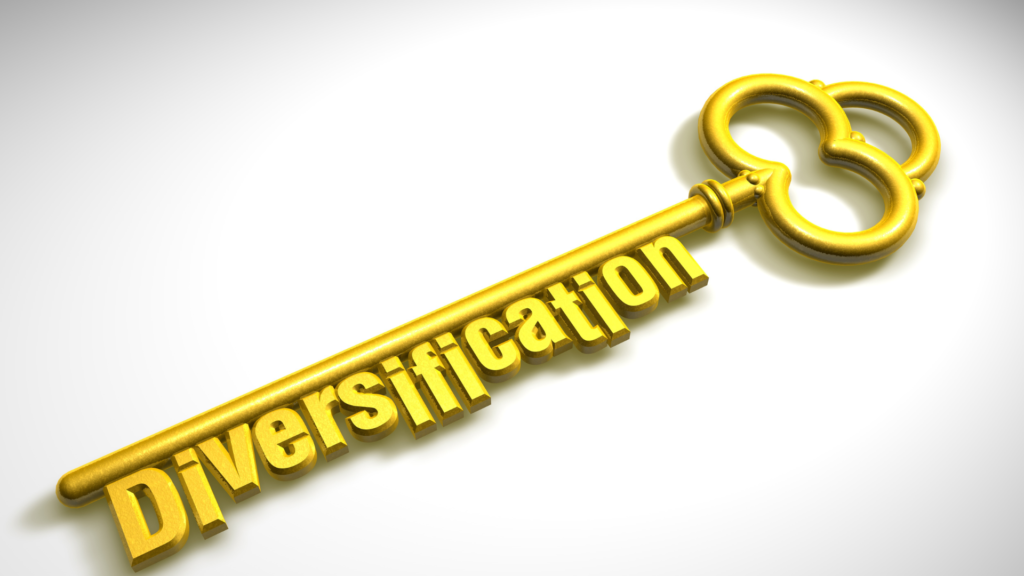
Diversifying Your Portfolio emphasizes the strategic importance of investing with wisdom in wealth creation. Diversification mitigates risk and simultaneously cultivates various growth opportunities. It’s essentially about not concentrating all financial resources in a single avenue, but rather distributing them across different areas to foster a multifaceted and resilient financial future. This approach not only balances risk but also enhances the potential for financial success across different market conditions.
The BRRRR Strategy, as adeptly utilized by Whitney, serves as a shining example of strategic investment in action. This method, encompassing Buy, Rehab, Rent, Refinance, Repeat, is not just a technique to build wealth; it establishes a self-sustaining cycle of income and reinvestment. In addition, it highlights the potency of well-thought-out financial planning in magnifying wealth. Such a strategy is not just about acquiring assets; it’s about enhancing them, leveraging their value, and then repeating the process to accelerate financial growth. This cyclic approach ensures continuous development and stability in one’s investment portfolio.
-
Empowering Through Financial Education
Sharing Knowledge, Building Communities underscores Whitney’s profound commitment to spreading financial literacy in real estate investment. This dedication highlights the crucial role of disseminating financial wisdom for community upliftment. By educating others, Whitney is doing much more than just aiding in wealth creation; she is actively contributing to the fortification of entire communities. Her efforts underline the idea that sharing knowledge is a powerful tool for collective economic empowerment, fostering a more financially literate and prosperous society.
A Ripple Effect of Financial Literacy goes beyond the individual, impacting broader communities. Financial education not only propels individual achievement but also cultivates a society of well-informed investors. This, in turn, contributes to a healthier and more resilient economy. The widespread effect of financial literacy is a formidable force, driving societal progress and stability. By elevating the financial understanding of one, we indirectly uplift the economic well-being of many, creating a stronger, more informed community that can navigate economic challenges more effectively.
Financial education is more than a tool; it’s a pathway to wealth creation. By embracing financial literacy, strategically investing, and sharing knowledge, we can all unlock the potential for significant wealth and make a lasting impact on our communities and beyond.



One Comment
Comments are closed.