


Investing goes beyond generating wealth; it’s about making meaningful change. Interestingly, food and real estate, two seemingly distinct industries, have proven to be powerful tools for community transformation. Reflecting on my journey from medicine to real estate and food equity highlights how strategic investments can drive economic growth, improve quality of life, and foster sustainable development.

Building Communities Through Real Estate
Real estate is more than just property—it serves as a foundation for community development. Initially, my transition from practicing medicine to real estate investing began with purchasing properties to create alternative income streams. However, over time, my focus evolved toward purposeful investments like residential assisted living and syndications that address specific community needs.
For instance, residential assisted living homes provide elderly residents with care in a more intimate and dignified setting than traditional facilities. These homes improve the quality of life for seniors and their families while offering investors a socially impactful venture. By owning and operating such properties, we demonstrated how real estate could meet underserved needs while generating sustainable financial returns.
Whether through multifamily housing, senior care, or commercial projects, intentional real estate investments can help bridge economic gaps, providing resources where they are most needed.
Food as a Catalyst for Health and Equality
Food is central to health and community well-being. Access to nutritious, affordable food remains a challenge in underserved areas, commonly called “food deserts.” Recognizing this, we joined efforts to bring fresh produce and healthy food options to North Tulsa, Oklahoma, with limited access to full-service grocery stores.
My involvement in opening a grocery store and developing urban farming initiatives showcased the profound impact food equity can have. Programs like FreshRx, which provide diabetics with healthy meals and cooking education, proved transformative. Participants not only improved their health but also reduced their reliance on medication.
These projects highlight the power of food as medicine. By addressing food scarcity and promoting local farming, communities can combat chronic illnesses and extend lifespans. Investing in food systems isn’t just a philanthropic effort; it creates lasting societal and economic benefits.
Synergies Between Food and Real Estate
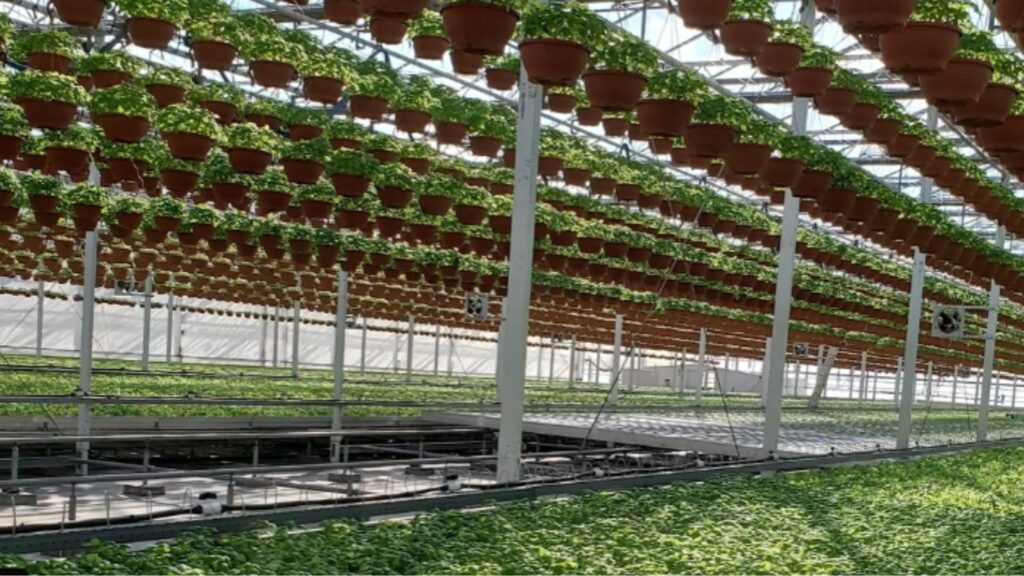
The intersection of food and real estate offers unique opportunities for lasting impact. Projects that combine these elements—such as grocery stores in food deserts or urban farms integrated into residential spaces—address multiple community needs.
These initiatives in North Tulsa exemplify this synergy. By improving access to fresh food and revitalizing the local economy, these projects uplift entire neighborhoods. Localized farming also reduces environmental impact, cutting carbon footprints associated with transporting produce across the country.
When thoughtfully planned, investments in food and real estate foster healthier, more sustainable, and prosperous communities.
Food and real estate are powerful forces for change when wielded with intention.
By addressing food insecurity and investing in purpose-driven real estate, we can transform lives and neighborhoods.
This project serves as a blueprint for using investment as a tool for both personal wealth and community well-being.
Ready to make a difference with your investments? Explore how you can combine purpose and profit to leave a lasting legacy.




One Comment
Comments are closed.