

I was really happy to read this article about the benefits of grocery-anchored real estate. As you know, we recently opened Oasis Fresh Market in Tulsa, OK in what was previously a food desert. The store is already having a positive impact on the community. Our goal has been for the store to become a part of the community, a place to congregate, and have the option to purchase healthier foods.
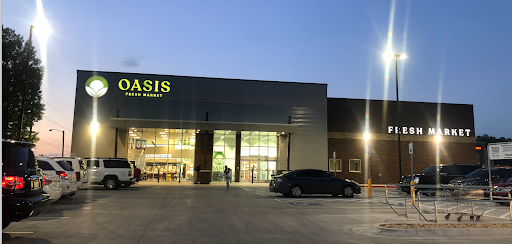
Many of you may not have been able to see the real estate piece or thought that it wasn’t important to me, but the real estate piece is what makes this a good financial investment. The fact that the building houses a business that is providing a much-needed service – that’s the impact.
The article from Forbes, Why Grocery Anchored Retail Estate Has Become So Attractive To Investors, explains why grocery stores are good investments. Groceries are a necessity.
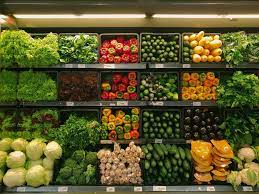
Food is essential to life, so the demand will always be there. There are trendy ways to shop for groceries that don’t require a visit to the store itself, but there will always be many of us that want to squeeze that melon and pick out our own steak, who will always want to go into the store.
The article goes on to talk about grocery store financial performance. It states, “consider the performance of several publicly traded grocery stores over the course of the pandemic.
For example, Kroger reported an increase in net income from $1.66 billion in the fiscal year 2019 to $2.56 billion in 2020.

Costco reported $4 billion in net income in the fiscal year 2020, a 9% increase. Albertsons reported an adjusted net income of $1.89 billion for 2020, up from $612.1 million in 2019.”
I love this. The opening of Oasis Fresh Market has been exciting. I am working with a team to perfect the model with the goal to become a training center for those who want to own and operate grocery stores.
Why am I telling you this? At Money with Mission, we will look to purchase real estate for these well-trained owner/operators to locate their stores. The goal is to eliminate food deserts in the United States. Talk about having an impact!
Let’s do it! If this is interesting to you and you would like to learn more, email me at groceries@moneywithmission.com.