
Here we are in the fourth quarter of 2021. I am not sure when I started to think about years in quarters, but most of the year is gone, and it is time to start planning for 2022.
 Yep, most successful people plan, then do. As discussed in the last newsletter, things don’t always go as planned, even with a plan, but you would never know if you didn’t “do” the plan.
Here is how I start my “planning to do” for next year.
I set aside a day or two, try to go somewhere different from my usual space, and put it on the calendar. There was a time when I didn’t use a calendar, but now, it doesn’t exist if it is not on the calendar.
First, I look at what I accomplished this year. What went right and what has not gone as planned. What did I plan to get done but didn’t?
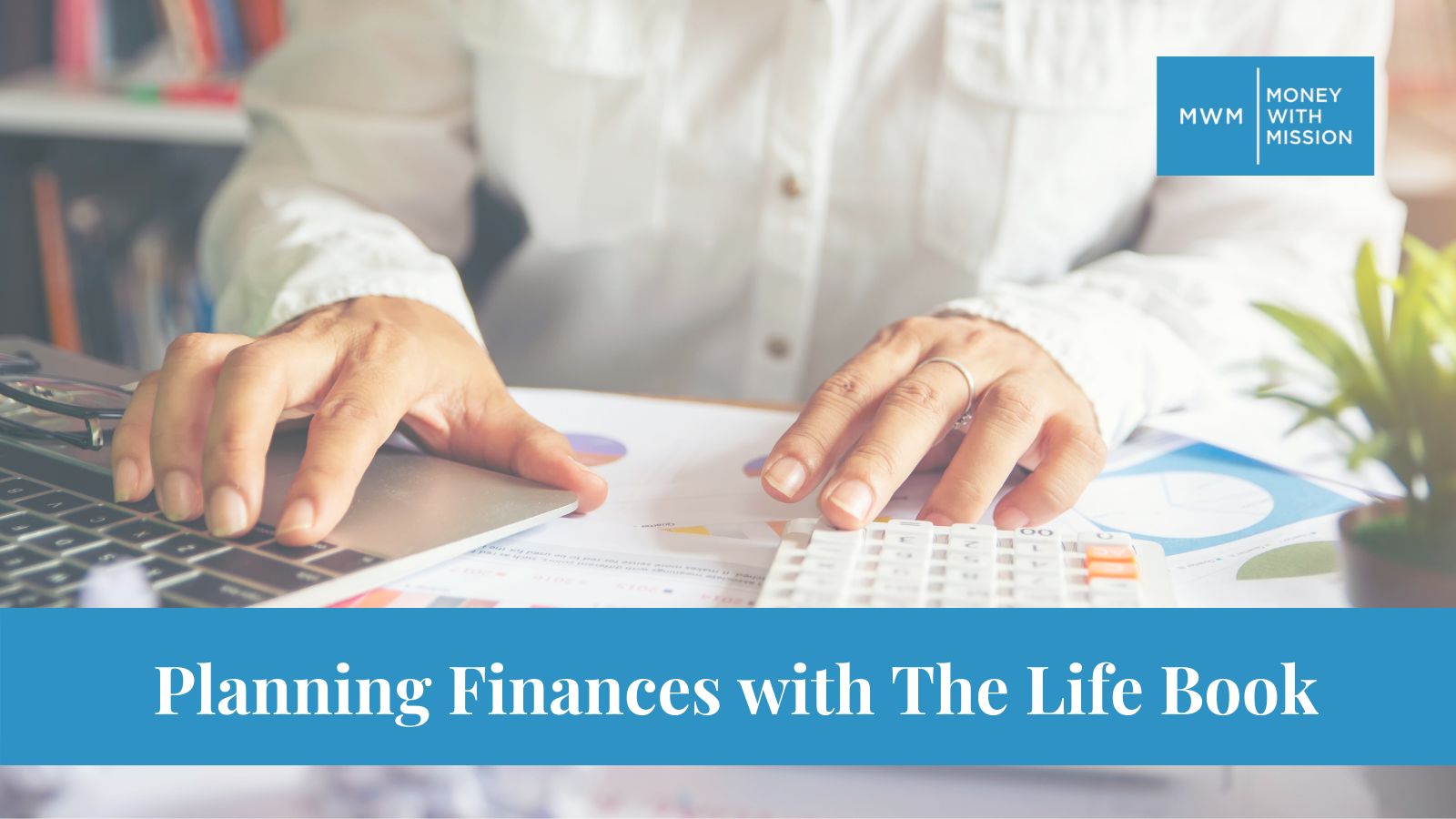
This year I completed a course through Mind Valley called Life Book.
The Life Book process involves evaluating 12 different aspects of your life: health and fitness, intellectual, emotional, character, spiritual, love, parenting, social, financial, career, quality of life, and life vision. I worked one chapter per week. Each chapter covers your premise, vision, purpose, and strategy for the category.
It was the first year I’ve done this, and it was POWERFUL. Plus, having done the work makes it relatively easy to review my year.

Next, using my Life Book, I decide what no longer suits me and where I failed to make the changes I wanted. I am trying not to beat myself up. If you are like me, you can be hard on yourself. Be gentle with yourself. Think of what you would say to your friend who came to you talking about what she had planned to accomplish but didn’t. Some things take longer than you thought, and some you may decide you don’t want anymore.
One of the things I learned going through this process is that all of the categories are interrelated. For example, it may take your financial chapter to realize why you need different social relationships or a better love relationship.
We probably all realize that having bad finances negatively affects nearly every aspect of our lives. At one time, I thought that a good salary meant good finances. How many of you realize that is not the case?

How we manage our expenses is most important. The biggest expense of our lifetime is taxes. The amount of tax you pay will NEVER go down on its own, no matter what the government tells you.
However, the government does put out a blueprint of what to do to pay less in tax, legally – it’s the tax code.
The wealthiest Americans use the tax code to their advantage, always have and always will. It is not just for them; it is for us all.
George Sutherland said, “The legal right of a taxpayer to decrease the amount of what otherwise would be his taxes, or altogether to avoid them, by means which law permits, cannot be doubted.”
Doing this requires tax planning, then doing what the plan needs. I’ve helped others pay less taxes by showing them how social impact investing saves them in taxes.
Tax paying season is just around the corner, right now is tax planning season. There’s still time to find that one right investment that may be what you need to save in 2021. Coming soon is a tax planning webinar where we hope to share tax-saving tools with you.
Stay tuned!