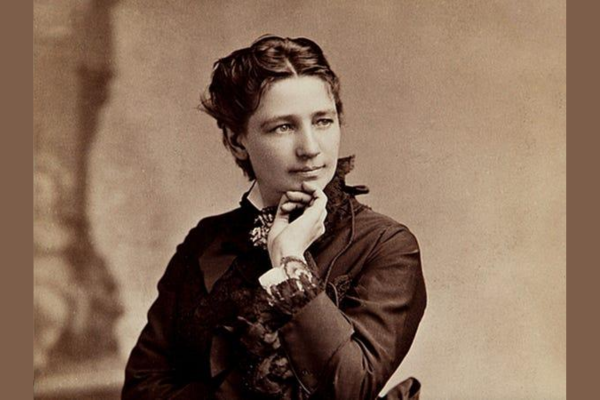
Lessons from Victoria Woodhull: The First Woman to Run for President
She dared to run for president before she can even vote.
At 15, she was married to a man whose alcoholism and infidelity made her life miserable. She grew up in poverty, had little formal education, and spent years working to support her family.
By 1870, she was running a brokerage firm on Wall Street. Two years later, she became the first woman to run for president of the United States.
Her name was Victoria Woodhull, and she accomplished all of this during a time when women faced enormous barriers to financial independence, political power, and personal freedom.
But her story isn't simply about breaking barriers. It's about a woman who repeatedly found herself in circumstances she hadn't chosen and refused to believe they had to define the rest of her life.
Her journey was messy, controversial, and far from a straight path to success. And that's what makes her story of reinvention worth revisiting today.
From Poverty to Finding Her Own Voice
Born in Ohio in 1838, Victoria Woodhull grew up in poverty with little formal education. Her family traveled from town to town selling remedies and offering spiritual readings. As a young girl, she worked alongside them, learning early what it meant to earn money simply to survive.
At just 15, she married Canning Woodhull, a physician whose alcoholism and infidelity made their marriage deeply difficult. Victoria eventually supported their two children through various jobs before divorcing him.
At a time when women had limited financial and legal independence, leaving a marriage carried enormous challenges.
Those experiences helped shape her belief that women deserved control over their money, relationships, and futures.
For Victoria, financial independence wasn't simply about wealth. It was about having the ability to make choices.
When Wall Street Wasn't Enough
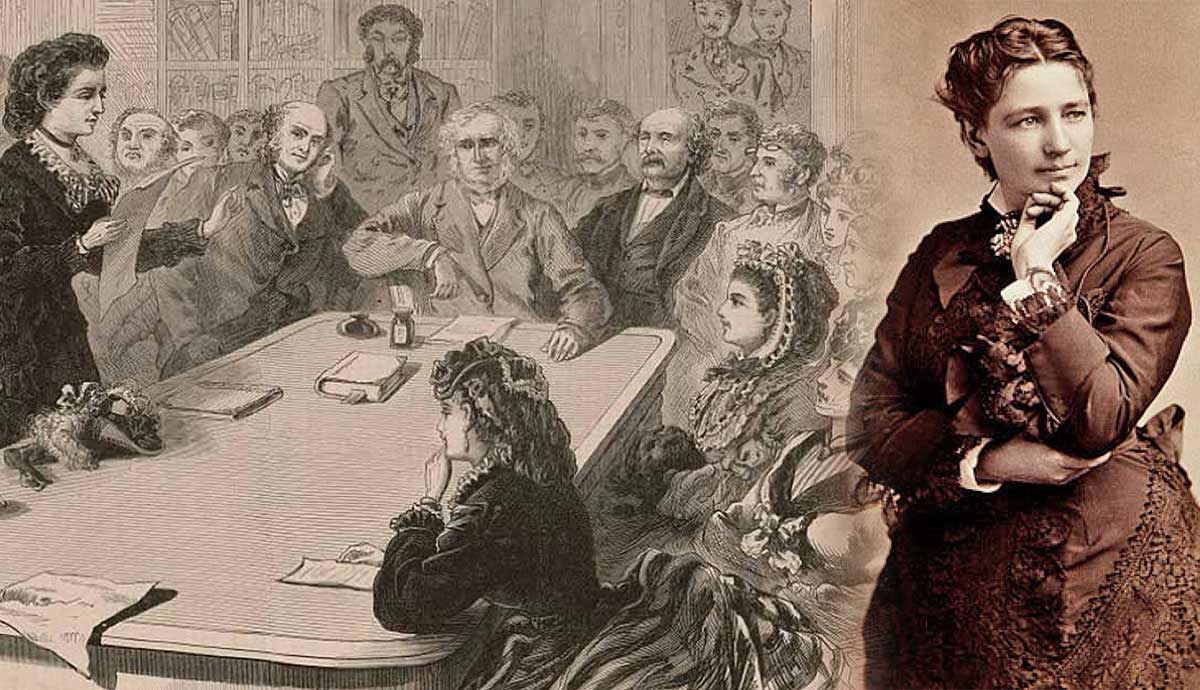
In 1870, Victoria and her sister Tennessee Claflin made history by opening Woodhull, Claflin & Co., the first brokerage firm operated by women on Wall Street.
With financial backing from wealthy businessman Cornelius Vanderbilt, the sisters entered an industry overwhelmingly controlled by men.
Their success brought attention, but Victoria saw money as a tool for something bigger.
That same year, the sisters launched Woodhull & Claflin's Weekly, a newspaper that challenged conventional thinking about women's rights, marriage, labor, and financial independence.
In 1871, Victoria became the first woman to address a congressional committee about women's voting rights.
Then came her boldest move.
In 1872, nearly 50 years before women gained nationwide voting rights, she ran for president of the United States.
Her campaign faced criticism, controversy, and legal troubles. She never held elected office, and her public life was far from universally celebrated.
But Victoria had challenged the boundaries of what women could imagine for themselves.
Her story also reminds us that reinvention doesn't guarantee success. After financial difficulties and public controversy, she eventually moved to England in 1877, married banker John Biddulph Martin, and began another chapter of her life.
She continued her involvement in social causes, although her views and priorities evolved over time.
Victoria's life was complicated, but she repeatedly demonstrated a willingness to reconsider what her future could look like.
How to Reinvent in Your Own Life
Radical reinvention doesn't have to mean abandoning everything you've worked for. Sometimes it begins with questioning the assumptions that have quietly shaped your decisions.
Here are three lessons we can take from Victoria's story.
Challenge the Default Settings
Victoria grew up in circumstances that offered few opportunities, yet she refused to assume those limitations had to define her entire future.
Consider the expectations influencing your own choices. Are you staying in a career because it reflects your values, or because it's what you've always been expected to do? Are you waiting for someone else's approval before taking your next step?
Questioning the usual path can help you recognize opportunities you may have overlooked.
Build With Purpose, Not Just Profit
Victoria's success on Wall Street gave her resources to publish a newspaper and advocate for issues she believed in.
Her story reminds us that money can serve a purpose beyond accumulation.
Think about what financial independence would make possible in your own life. Perhaps it's spending more time with family, supporting causes that matter to you, or having the security to walk away from circumstances that no longer serve you.
The goal is to build wealth that supports the life you actually want.
Embrace the Pivot
Victoria's life included public success, personal losses, controversy, and several new beginnings. Her reinventions weren't always easy, and some decisions came with significant consequences.
That's an important reminder that changing direction requires courage, preparation, and a willingness to learn.
You can appreciate everything you've built while recognizing that your next chapter may look different from what you originally imagined.
Reinvention doesn't erase your past. It allows you to use what you've learned to make more intentional choices about your future.
Your Legacy Starts With One Decision
Victoria Woodhull didn't have a perfect roadmap. Her life was filled with contradictions, setbacks, and extraordinary achievements.
But she refused to let the circumstances of her childhood determine every chapter that followed.
At Money with Mission, we believe building wealth is about creating options, finding community, and making decisions that reflect what matters most to you.
And sometimes, the first step toward a different future is simply allowing yourself to question the one you've been following.
So here's a question worth considering:
What would your life look like if you stopped waiting for permission to build it differently?