
[vc_row][vc_column][vc_column_text]It’s that time of year again… wait, what?!
Yeah, COVID has changed so much, including tax filing deadlines. The deadline this year is coming up.
Are you getting a refund? Do you have to pay more than you have already paid? What are you getting for your investment? Is your money working for you, or are you just throwing it out the window and hoping something good comes of it?
The biggest expense of our lifetimes is taxes, and most of us spend very little time thinking about how to decrease that expense.
Your current tax burden is not a given. The tax code is lengthy—the exact length is not clear to me, but I’ve found estimates from 6,500 pages to over 70,000…either way, it is long!
It tells us how to figure out how much we have to pay it also tells us what the government wants us to do to help make our country better, and in return, we get to decrease the amount we pay in taxes.
To me, it is very complicated.
Fortunately, there are those in the world that love this stuff. One of them that I have had the pleasure of spending time with is Tom Wheelwright. Tom brags about having read the entire code and enjoying it. When he says it, you can tell he is speaking the truth, and he looks happy.
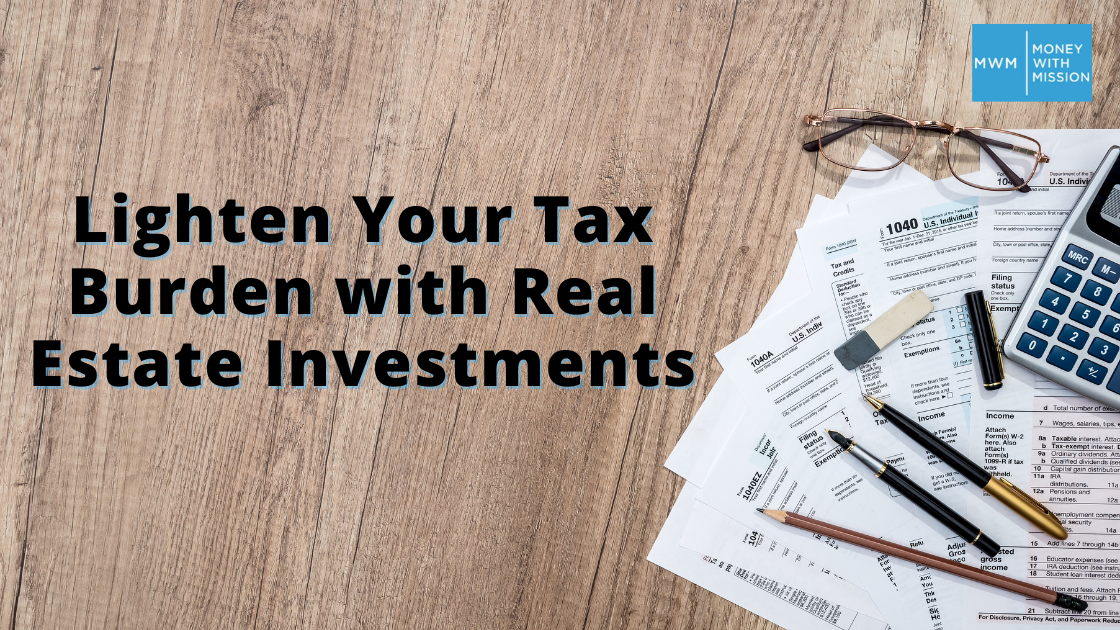
According to Tom, one of the best ways to decrease your tax burden is with real estate. Investing in real estate can give you positive cash flow AND decrease your tax burden through depreciation. It’s a lot to go into, so you might want to pick up Tom’s book, Tax Free Wealth.
You won’t get rich by saving money.
Look at this article in USA Today: You won’t get rich just by saving money. You’ll need to invest if you want to build wealth.
 They talk about paper assets, stocks, and bonds, as well as real estate. They point out that owning real estate and managing it yourself can be challenging and not for everyone. Then, they point you back to a paper asset, a REIT. Paper assets will not get you the tax advantages of direct ownership, but you do not have to be the property manager. You can hire it out, or you can invest with friends through syndication. Buy something big, a large apartment complex, an orchard, several grocery stores—all of it is real estate.
Find someone who is doing the type of real estate investing you want to do. Get to know, like, and trust them. Let them do the heavy lifting of finding the deal and managing the property, and then sit back and collect your checks and receive the tax benefits of direct ownership without the headaches.
I would like to be the one to help you navigate this terrain. Schedule a call.
If you are not sure of what you want to do, how you want to invest, or why to invest, download 7 Steps to Building Resilient Wealth.[/vc_column_text][/vc_column][/vc_row]