
Why I Call Myself a Social Capitalist?
In Episode 216 of the Wealth B-Hers Podcast, I sat down with Dave Dubeau on the Property Profits Podcast to unpack a question I get all the time: “Why did you walk away from full-time medicine to do real estate?”
What came out of that conversation was more than a backstory. It was a full-circle moment, a realization that I’m not just building wealth for myself or my investors.
I’m a Social Capitalist.
And if you’re reading this, there’s a good chance you are too, or you’re ready to become one.
What Is a Social Capitalist?
The term “social capitalist” might sound like a contradiction at first, but it’s not.
It means using your capital: your money, time, influence, and energy, to solve real problems while still creating profit. It’s about building something bigger than a balance sheet. Social capitalists make financial decisions based on both return on investment (ROI) and return on impact.
We’re not waiting for policy to catch up or for nonprofits to carry all the weight. We’re using smart investments to make measurable change, and doing well while doing good.
How I Got Here?
For years, I wore a white coat as a urologist. And while I loved parts of that work, I realized early on that medicine wasn’t going to be my only path.
I knew I needed options, a way to build income that didn’t rely on my time or presence.
That’s when I found real estate.
And not just any real estate: mission-aligned investments that uplift communities and create financial resilience.

The $500 Lesson That Started It All
My first deal came from a patient who casually said she was a real estate investor. She helped me buy my first property for $500 with an assumable loan and even offered her crew to help rehab it.
That moment taught me two things:
-
Opportunity is everywhere, if you’re open to it.
-
The right people can change your whole trajectory.
From Crash to Clarity
In 2008, I lost everything: 18 properties gone. But that crash taught me more than any class ever could.
It forced me to rethink everything:
Was real estate the problem? Or was it how I approached it?
Turns out, it was the latter. I hadn’t been investing with clarity, structure, or alignment. When I got back in, I did it differently, with a framework and a mission.
Why I Build With the LIVE Framework?
At Money With Mission, I teach investing through what I call the LIVE Framework:
L – Learn what’s possible beyond your current financial lens
I – Invest in projects that align with your values
V – Value your time, energy, and community impact
E – Enjoy the freedom that comes when your money works for you and others
This is how we move from surviving to thriving. From earners to social capitalists.

What Investing Like a Social Capitalist Looks Like?
These days, I invest in:
-
Residential Assisted Living that provides dignity for aging adults
-
Hydroponic Farms that grow food locally with fewer resources
-
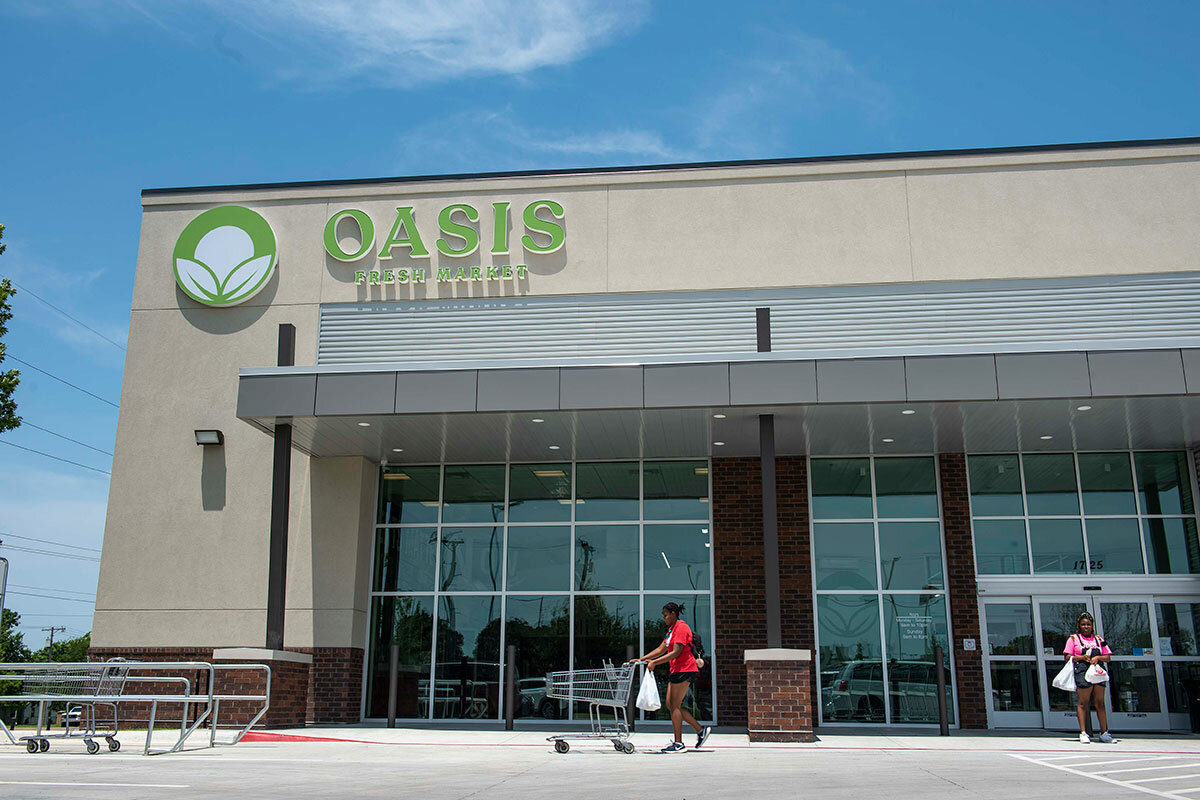
Grocery Stores in Food Deserts, like the 16,000 sq ft market we opened in North Tulsa after 10+ years without one
These aren’t charity projects. They’re profitable, scalable, and purposeful.
You Don’t Need to Be Rich to Be a Social Capitalist
Let’s bust a myth: you don’t have to be a millionaire to invest with impact.
You just need the willingness to learn, the courage to act, and the support of a community that believes in wealth with intention.
You can start small and grow strong. That’s what I did and what I help other women do every day.
Are You Ready to Invest Like a Social Capitalist?
If you’re tired of money feeling transactional or disconnected from your values, it’s time to make a shift.
👉 Download my free guide: 7 Steps to Building Resilient Wealth
🎧 Listen to the Wealth B-Hers Podcasts for more real talk on social-impact investing
💬 Book a free strategy call to explore how you can get started
📩 Or just email me at felecia@moneywithmission.com
Your money has power.
Let’s use it on purpose.