
As we all know, very little in this world is constant. There is one thing that we can always count on and that is change. That being said, I am presenting a new face to the world. I say new, but it really is the face that I have had all along. I’m just showing it better.
I am changing the name of my company to Money with Mission. In my journey to find my purpose and passion, I have landed on, having my money make a difference, have a mission. My goal is to leverage every dollar to transform neighborhoods and generate profits for myself and mission-minded investors. I am out to change the world, one community at a time.
Imagine, in addition to your philanthropic donations, you invest money into real assets; real estate, land, and businesses that provide you a financial return on your investment, ultimately return of your capital AND improve a community. That is capitalism at its finest.
There are so many opportunities in the world, the list is virtually endless where mission-minded investors can find a project that touches their heart, feeds their soul, and improves their financial bottom line.
One of the companies that I am working with, EcoAlliance Group, is out to improve food distribution in the Midwest and improve the economy of a city. We came to Tulsa, OK because of Tulsa’s commitment to building resilience. They were one of the first 100 cities to become a part of the Rockefeller Foundation’s 100 Resilient Cities program.
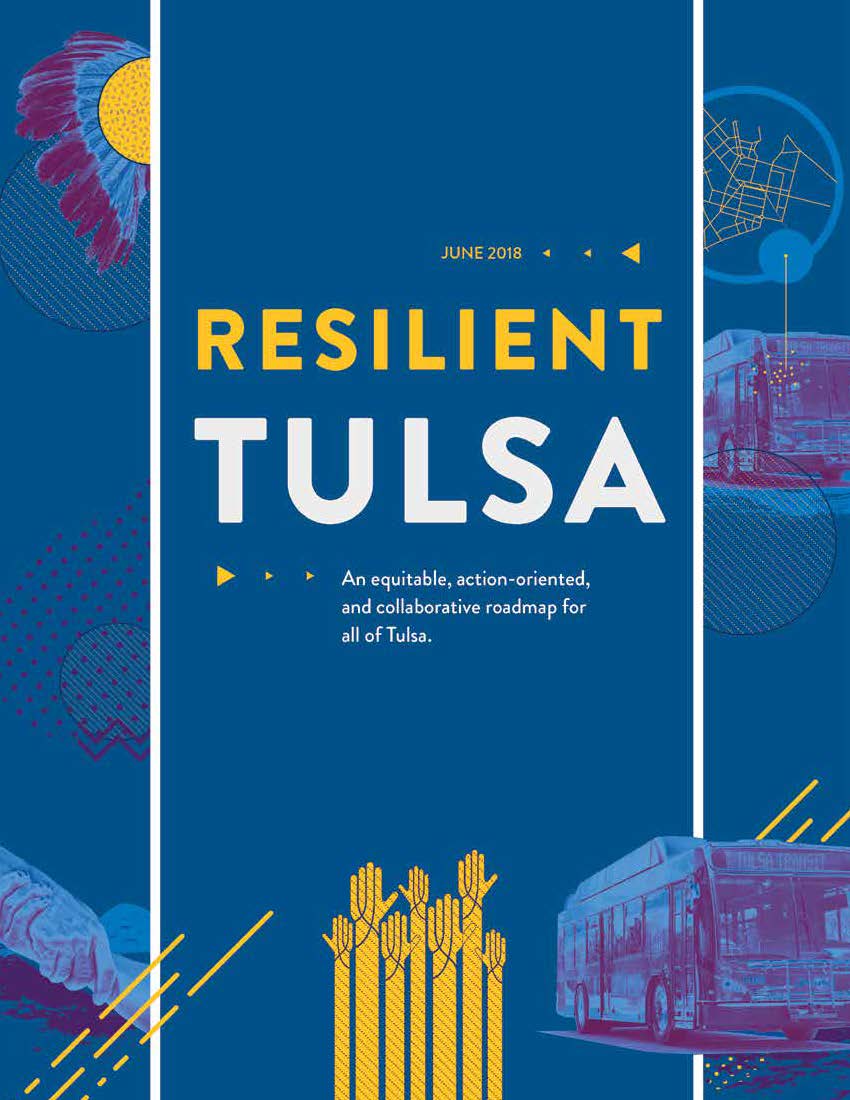 The resilience paper is a very detailed description of the significant opportunity that Tulsa has to improve the lives of its residents. This research showed that the residents of south Tulsa neighborhoods lived 11 years longer than those of north Tulsa. Part of this is thought to be due to the fact that 42.5 percent of Tulsans currently live in low food access areas – meaning they live more than one mile from the nearest supermarket, super-center, or large grocery store.
Furthermore, nearly 20 percent of Tulsans live in a food desert – characterized by both low food access and low income. All of these food deserts are located in North Tulsa.
EcoAlliance is working to bring grocery stores to these areas and indoor controlled farming or hydroponics to North Tulsa. With this endeavor, they will bring approximately 300 living wage jobs. Working with the health community they are working to improve health disparities that are related to poor diet through education and availability of healthier options.
In addition to supplying the grocery stores, the indoor controlled farming facility will have the capacity to supply regional grocery retailers with fresh, organic produce. Letters of intent with food brokers are in hand to supply some of the nation’s largest grocery chains in the region.
The goal is to provide healthier, nutrient-dense foods to the midwest, decrease the carbon footprint of food transportation, and decrease the water usage needed to grow produce. That’s just the beginning!
To LEARN MORE about the social impact EcoAlliance Group is having on the Tulsa North community, check out this short 6-minute video.