


It’s tax season? Weird!
As with other things out of sync this year, the tax filing deadline was extended to July 15th, due to the outbreak of COVID-19. Tax season is normally the time of year that reminds us that we may want to take more action on decreasing our tax liability in the future. And if this season isn’t a trigger for you… keep reading. Building resilient wealth happens by taking advantage of what is there for the taking.
What are taxes?
Taxes are involuntary fees levied on individuals or corporations and enforced by a government entity—whether local, regional, or national—in order to finance government activities. In economics, taxes fall on whoever pays the burden of the tax, whether this is the entity being taxed, such as a business, or the end consumers of the business’s goods. Seems pretty straightforward.
Why do we have taxes?
To help fund public works and services—and to build and maintain the infrastructure used in a country—the government usually taxes its individual and corporate residents.
The tax collected is to be used for the betterment of the economy and all living in it. In the U.S. and many other countries in the world, taxes are applied to some form of money received by a taxpayer.
The money could be income earned from salary, capital gains from investment appreciation, dividends received as additional income, payment made for goods and services, etc.
In the United States, this function is performed by the Internal Revenue Service (IRS).
Like many nations, the United States has a progressive tax system, not a regressive one, through which a higher percentage of tax revenues are collected from high-income individuals or corporations rather than from low-income individual earners.
Taxes are imposed at federal, state, and local levels. Generally speaking, the federal government levies income, corporate and payroll taxes; the state levies sales taxes; and municipalities or other local governments levy property taxes.
This all seems pretty straightforward. How do some people end up paying less in taxes? One obvious way is that they earn less money. But that’s not what we are going for. We want to make a lot more money AND pay less in taxes, legally.
One of the best vehicles for paying less in taxes is real estate. Not the house you live in. Yes, there is a mortgage interest deduction, but there have been many governmental conversations about getting rid of that one, besides the house you live in doesn’t give you cash flow.
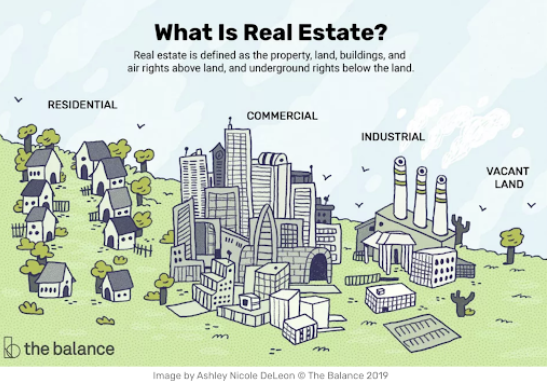 Owning rental real estate, whether passively or actively provides a significant tax benefit. There are quite a few ways to save on your tax burden through real estate ownership. A big one is depreciation expense.
Taxes are actually not difficult. The tax code is written to tell you what the government wants you to do, one of those things is to help supply housing. For doing that you are rewarded.
Whether you do it actively by owning rental property yourself or through syndication, real estate is one of the best ways to decrease your tax burden.
YOU know the best way to give your money a mission. The best way to leverage every dollar to improve communities and your bottom line. We do not need to leave it to the government to decide.
Here’s to giving your money a mission and making a difference!